
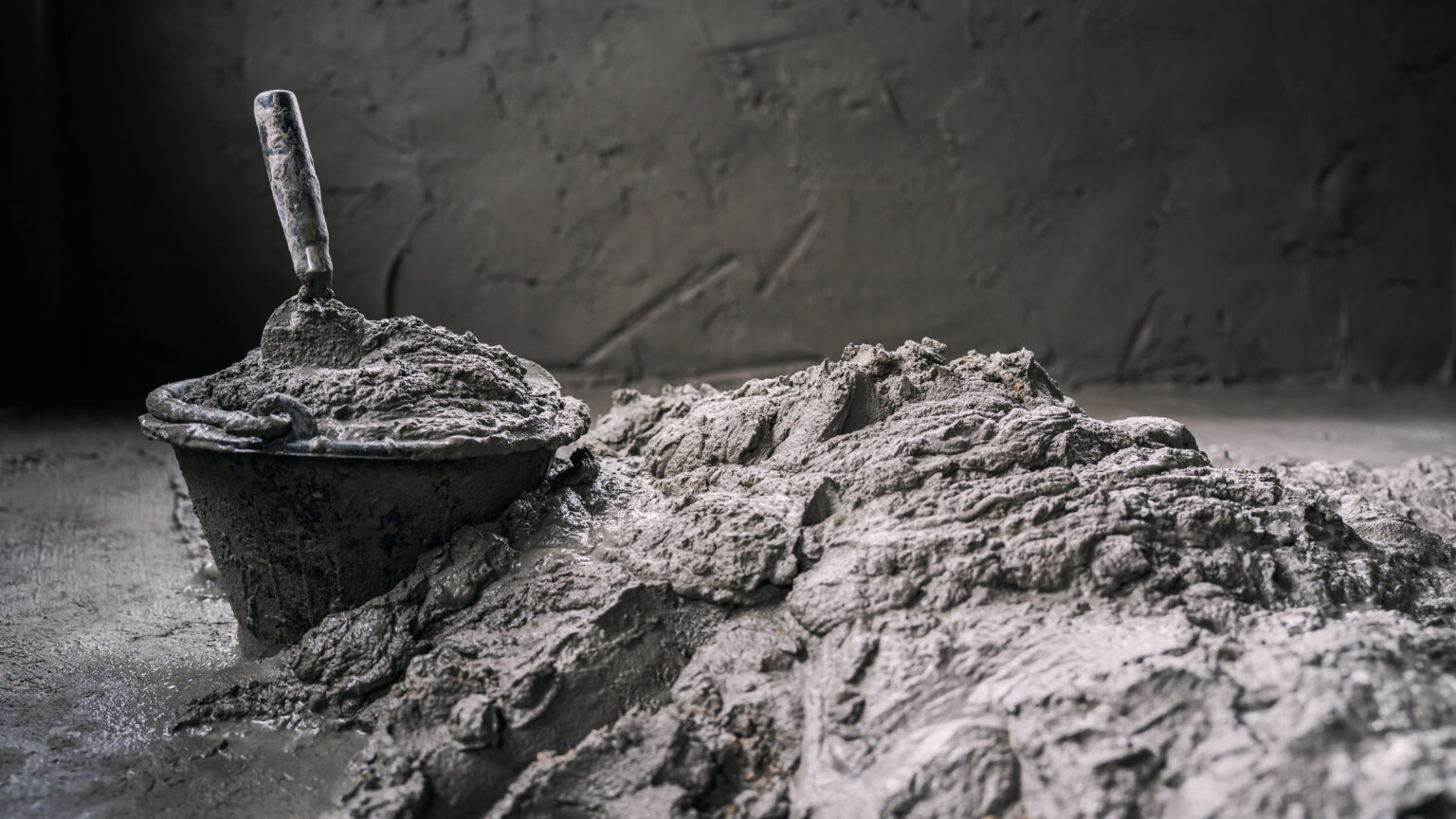
Plaster Consistency
Plaster consistently proves to be one of the greatest problem areas in building. Poor quality plaster becomes evident in the form of cracks, dusting, crazing and poor adhesion of the plaster to the wall surface.
Most of the problems can be avoided by a careful selection of the cementitious products and the sand however the preparation of the wall and brickwork are extremely important and weather can also play an important role. The advice given here does not attempt to address the problems associated with techniques or types of finish.
Choosing mATERIALS
Cement
Only use a minimum of an ‘32.5 N’cement that carries a certified LOA Number and SABS Mark (SANS Specification 50197-1)
If a masonry cement (12.5x or 22.5x) are used the quantity of sand to be mixed with a bag of masonry cement is reduced to a maximum of 21/½ wheelbarrows.
Sand
Use a good quality plaster sand.
A simple Test for Sand
If a masonry cement (12.5x or 22.5x) are used the quantity of sand to be mixed with a bag of masonry cement is reduced to a maximum of 21/½ wheelbarrows.
Step 1
Mix 1 litre of cement with 5 litres of dry sand.

Step 2
Add 1 litre of water

- If after Step 2 the mix is wet enough, the sand is “GOOD“
- If not, add another 0,5 litre of water
- If the mix is wet enough the sand is “OK“
- If not: Try another sand.
The mix

Mix proportions should be:
- 50kg cement (1 bag)
- 200 litres (maximum loose damp sand (approx. 3 wheelbarrows filled level with the top).
UNDER NO CIRCUMSTANCES SHOULD MORTAR BE RE-TEMPERED
PREPARING THE WALL
- The wall should be clean (no oil or dust).
- The bricks or concrete should be saturated, but the surface should be dry.
Cut through section of bricks showing saturation:

USEFUL INFORMATION & SPECS
- 6x 50KG pocket of cement will produce 1m3 of mortar
- 1m2 of single leaf brickwork requires 52 bricks
- 1m3 of mortar will lay 3000 bricks of single leaf brickwork (115mm) if it is 10mm thick
- 1m3 of mortar will lay 2000 bricks of single leaf brickwork if it is 15mm thick
- 1m3 of plaster will cover 60m2 (15mm thick) or 100m2 (10mm thick)
Referred documents
- SANS 1090 Sand for plaster and mortar
- SANS 10145 Concrete masonry construction
- SANS 10164-2 The Structural use of masonry
- SANS 50197-1 Specification for common cements
- Assuming standard brick i.e 222mm x 106mm x 73mm.
- Wastage depending on site control can vary from 20% to 200% in extreme cases
- The above estimates allow for zero wastage
COMMON PLASTERING PROBLEMS
Soft weak surface
This can be determined by rubbing one’s fingers over the plastered surface.
Causes are:
- Not enough cement in the mix.
- A poor quality sand. Bricks were dry (unsaturated).
- Mix was retempered. Rapid drying.
Craze Cracks
This can appear in various forms, depending on the reasons that they occur.
Causes are:
- Plaster was trowelled too early or over-trowelled.
- Mix was too rich Early drying occurred (wind and sun on a north facing wall).
- The sand was of poor quality.
- Trowelling neat cement onto the surface.
- High water absorption of bricks.
Diagonal, stepped cracks
Causes are:
- Wall under the plaster is cracked.
Slump Cracks
Causes are:
- Mix was too wet. Layers were too thick. Surface was to wet.
Debonding (hollow) spots
This is the separation from the brickwork and can be determined by lightly tapping the wall with a hammer and listening for hollow sounds.
Causes are:
- A surface that was wet, dusty or oily.